A useful starting point
Psi is a collective term used in parapsychology for extrasensory perception and psychokinesis. It names an area of inquiry without settling how the phenomena might work. That distinction helps when encountering different teachers, traditions and explanations.
Perception and influence
Extrasensory perception, usually shortened to ESP, concerns information apparently obtained beyond ordinary sensory channels. Telepathy, clairvoyance and precognition sit within this broad vocabulary. Psychokinesis concerns proposed mental influence on physical systems. Telekinesis is commonly used for movement of objects.
Practice gives the words context
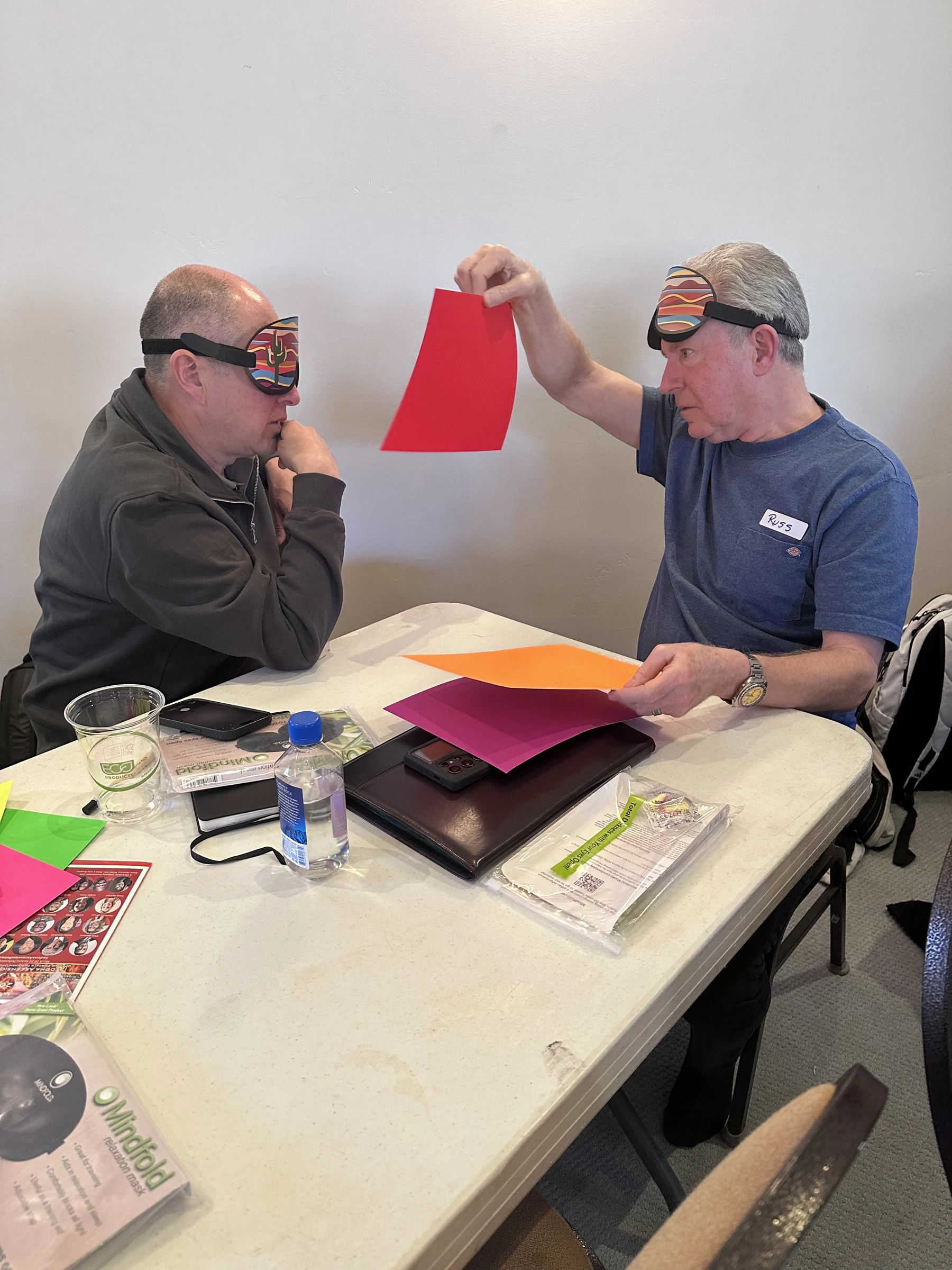
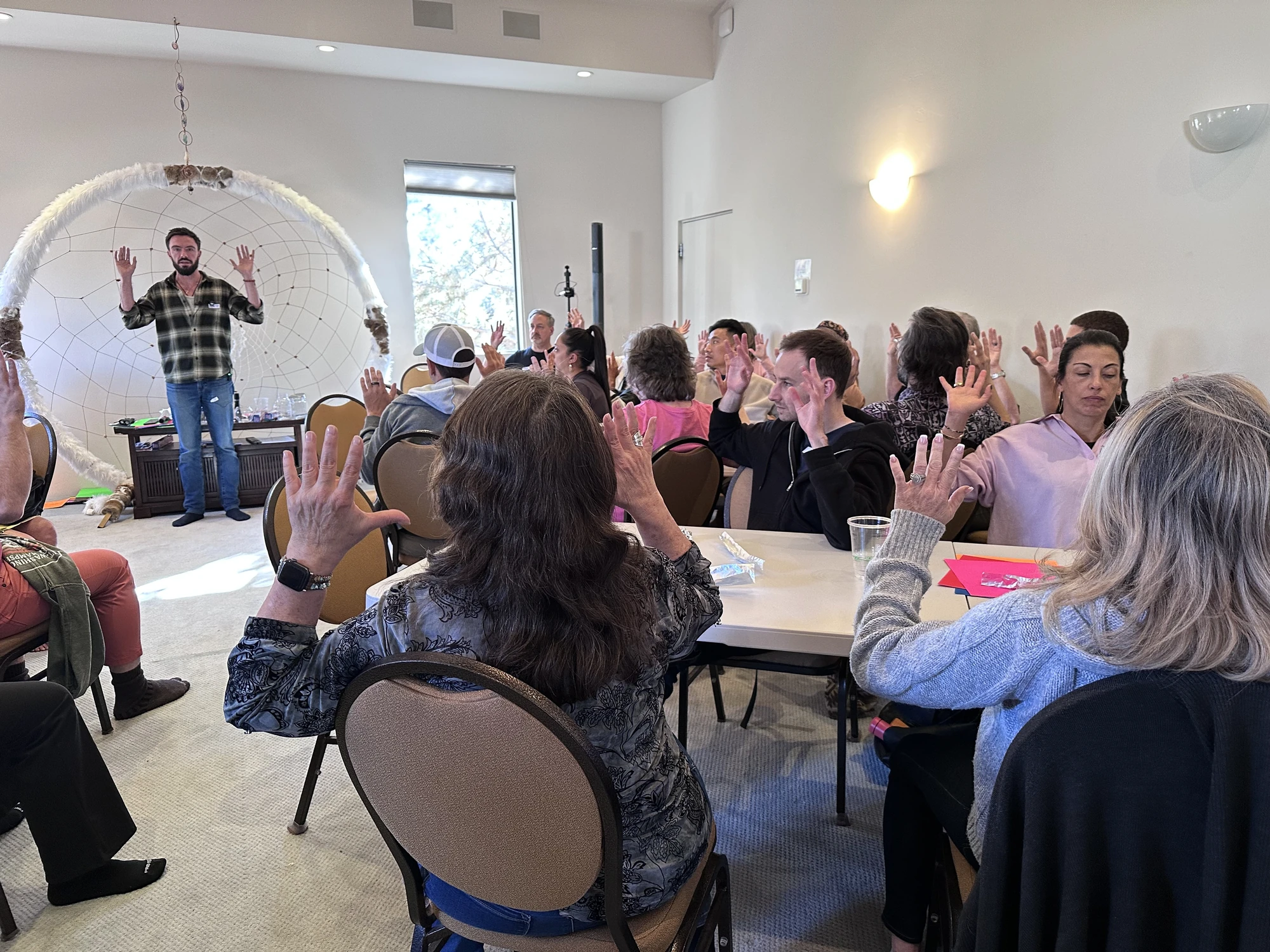
At Sensus, visitors may encounter coloured papers, covered-eye exercises, psi wheels or work with metal. Learning what an exercise involves is often more useful than beginning with a technical label. Ask what the task is, how it is arranged and what participants actually do.
Different approaches, shared questions
The same word can be used differently by different teachers. One training may emphasise individual attention; another may place more emphasis on paired practice or particular methods. Read the description and speak to the organiser about the approach. A shared vocabulary is a starting point for that conversation.
A way to choose your next question
If you are interested in another person’s mental experience, begin with telepathy. If you are drawn to a hidden target, explore remote viewing. If the event has not happened yet, precognition is the relevant question. If a physical object changes, psychokinesis is the broader category. An unfamiliar bodily feeling can be worth noticing without automatically establishing any of these effects. Choose a concrete task, then follow the article or training that explains it.