There is more than one history
A timeline of laboratories and societies is only one way into this subject. People have also explored unusual perception within spiritual traditions, healing practices, informal communities and personal experience. Those histories do not all use the same vocabulary or ask the same questions. Avoid assuming that a contemporary label describes every earlier practice accurately. A useful historical account names the place, period and source it is discussing. It also leaves room for traditions it has not yet covered. This guide is an entry into organised psi inquiry, not a complete history of human experience.
An inquiry takes institutional form
The Society for Psychical Research was founded in London in 1882. It brought organised investigation to reports of experiences such as thought-transference and apparitions. Its members collected accounts, conducted investigations and established publications in which findings could be examined and debated.
What changes when an experience is written down
An account becomes easier to revisit when it records who was present, what happened and when the description was made. That does not make every account correct, but it makes questions possible. Was the event documented before the outcome became known? Did different witnesses agree? Did someone preserve the original words? These questions help connect the history of spontaneous experiences with the later development of experiments. Both involve a desire to understand something that seemed unusual. They differ in how much of the setting could be arranged in advance.
From accounts to experiments
During the twentieth century, laboratory approaches became increasingly prominent. J. B. Rhine’s work at Duke University in the 1930s helped establish an experimental setting for questions about extrasensory perception. Personal accounts and controlled experiments continued to serve different purposes within the field.
The Rhine thread
The Rhine Research Center traces its history through research at Duke, the establishment of the laboratory in 1935 and the Journal of Parapsychology in 1937. It describes the independent foundation formed after J. B. Rhine retired in 1965, and its later name as the Rhine Research Center. This institutional history is useful because it identifies places to follow the original work: publications, archives and the people who conducted the studies. It is not a substitute for reading a particular experiment. Use it as a map into the literature, then investigate the question that interests you.
Why methods became part of the story
Different research arrangements made different observations possible. A concealed target allowed an investigator to specify what information a participant should not ordinarily know. Recording a response before feedback preserved the order of events. Comparing many attempts introduced questions about chance and variation. None of these choices settles every question about psi. They make particular questions clearer. For a learner today, this history is practical: a simple exercise can become more informative when its task, sequence and feedback are explicit. Method is not only something that happens in a laboratory.
Remote viewing and the public record
US intelligence agencies also investigated remote viewing. A 1995 evaluation preceded the decision not to restore the programme at the CIA. Its records became part of a public archive. The fact that a programme existed and the interpretation of its results are separate historical questions; the source documents are worth reading together.
Remote viewing as another strand
Remote viewing brought a distinctive vocabulary of targets, sessions, sketches and feedback into public discussion. Its history includes research, government-sponsored investigation and later teaching communities. These settings should not be collapsed into one story. The existence of an intelligence programme is a historical fact; the usefulness of its output and the interpretation of individual sessions are further questions. Practitioners and evaluators can describe the same material differently. Reading original records alongside practitioners’ accounts helps a reader see which disagreement concerns the observation and which concerns its significance.
The work continues in different settings
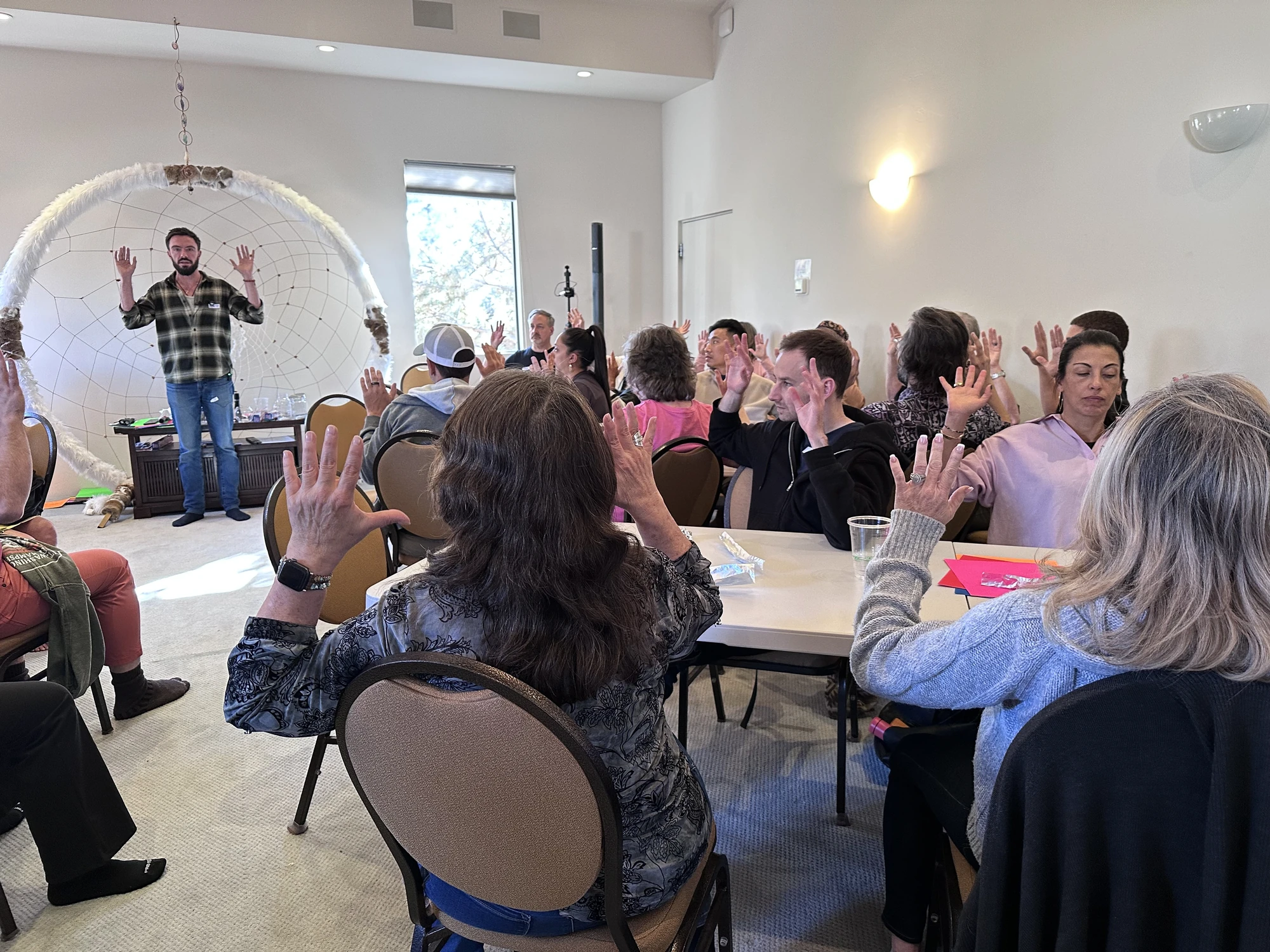
Today, exploration takes place through research organisations, independent practitioners, training groups and events. Psi Games International, for example, organises activities around remote viewing, Mind Sight, precognition, psychokinesis and dowsing. Sensus is building a training network in which people can practise, exchange learning and contribute to this continuing inquiry.
From specialist literature to public practice
Today a newcomer can encounter these subjects through a training, a recorded interview, a research organisation, a book or a short video. That accessibility creates opportunities to learn, but it also removes context. A short clip may omit preparation and feedback. A memorable anecdote may stand in for a much larger series of attempts. A teacher’s language may blend an activity with a philosophical interpretation. Rather than dismissing or accepting an entire source at once, ask what it can actually help you understand. Follow a compelling example back to a fuller account whenever one is available.
Where Sensus fits
Sensus begins with practical training in extraordinary human abilities. Its contribution is not to replace the whole history of research with a single explanation. It is to bring people into guided experience, support further learning and help useful discoveries circulate between trainers and participants. Historical material can enrich that work by showing where exercises and ideas came from, who contributed to them and which questions remain open. A participant does not need to master the literature before attending. History becomes another resource to return to as practice gives the questions personal meaning.
How to continue reading
Choose one thread rather than trying to absorb the whole field. If you are drawn to perception, follow the development of telepathy or remote-viewing tasks. If materials and movement interest you, investigate how psychokinesis experiments were arranged. Keep a note of the original source, its date, its question and what it actually reports. Distinguish a source written at the time from a later interpretation. This habit makes reading cumulative: you build a usable understanding rather than collecting impressive claims with no clear connection to one another.
Follow the sources
This is a short entry into a much wider history. It is not a complete global account or a single agreed explanation. The sources below let you begin with institutional histories and records, then follow the people and questions that interest you.